A brand built for a Series A turned into a brand fit for Adobe.
Overview
What we did
Brand Platform
Visual Identity
Verbal Identity
Web Design
Digital Product
AI Product Build
ContentCal had outgrown its identity. Loved by thousands of teams, well-funded after a £6.2m seed, and quietly building toward AI. But the brand still looked and read like a basic calendar tool – and the website, its primary sales channel, wasn’t doing the work the product deserved.
We had three months. The job was a brand strategy, a full identity system and a new website, all built together by one team. Within six months of launch, ContentCal closed Series A. Nine months after that, Adobe acquired them.
$110m Adobe acquisition.


Position
We started with the gap between what ContentCal did and what people thought it did.
The product had moved well past scheduling – it was already heading into AI-assisted content workflows. The brand was three years behind that, still anchored to the calendar. Customers loved the tool; investors and enterprise buyers needed to see the company.
Our strategic work landed on Get Clear – a positioning idea that did two things at once. It described what the product gave users (clarity across planning, creation and publishing), and it set a tone for the company itself: confident, modern, plainly told. It gave the team a single sentence they could rally around internally and a story they could sell externally.

Identity
ContentCal had built real equity in its name and mark. We didn’t burn it down. We rebuilt it.
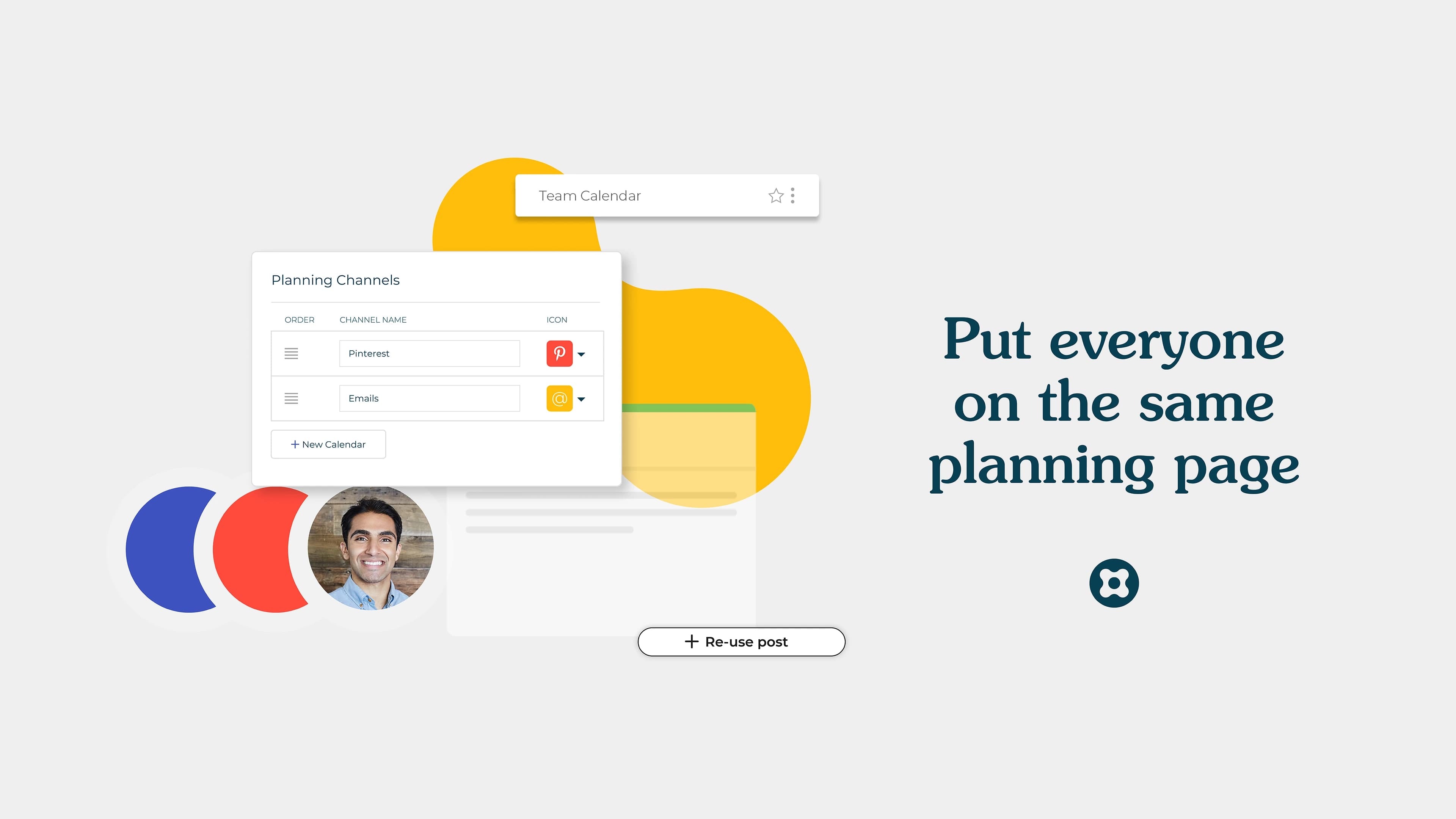
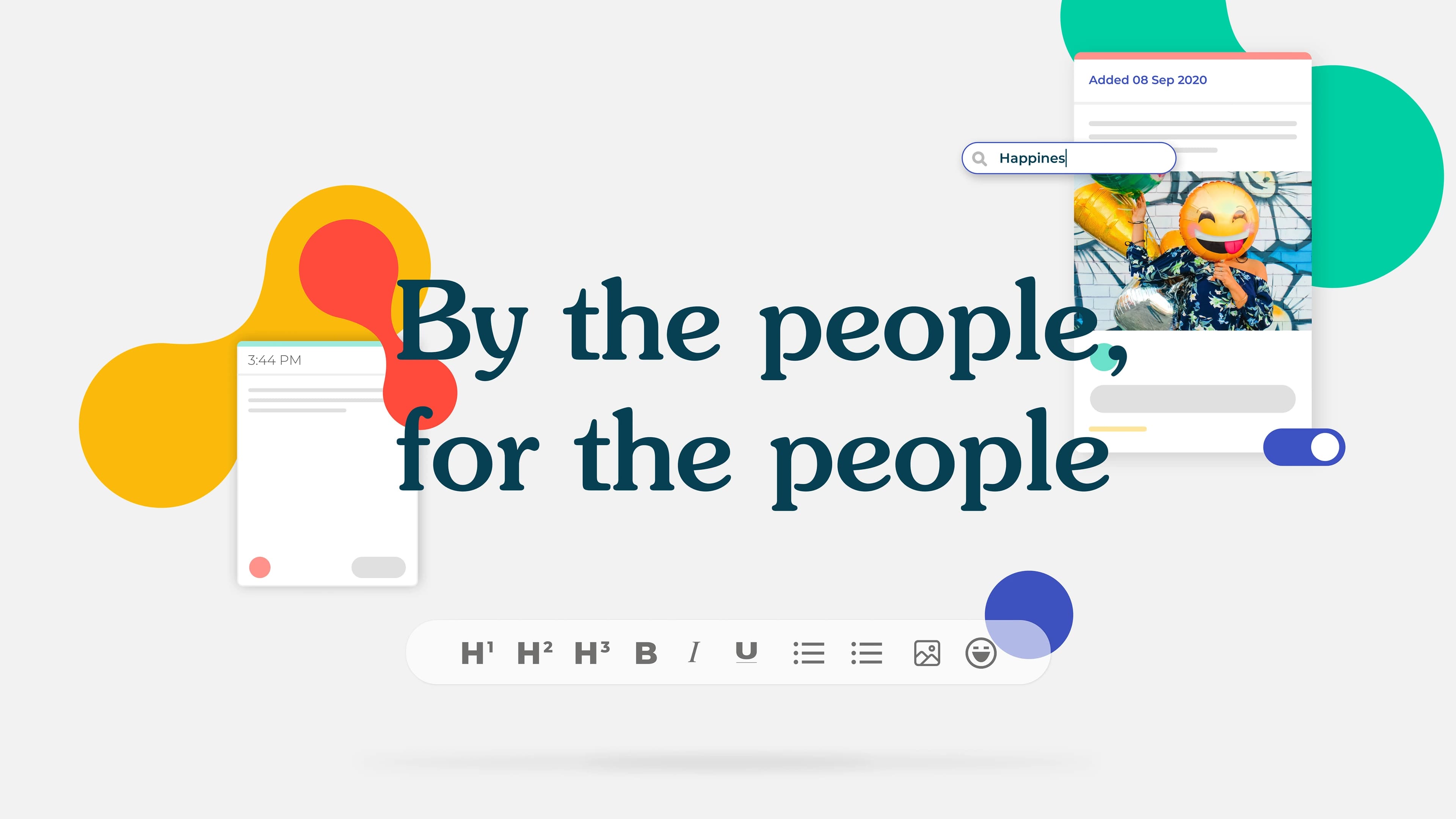
The old logo spoke of grids, slots and placement – static thinking for a product that was becoming anything but. We reworked it around a system of morphing shapes: forms that shift, connect and reconfigure. A visual argument that content has a life of its own, and that ContentCal was the layer making sense of it.
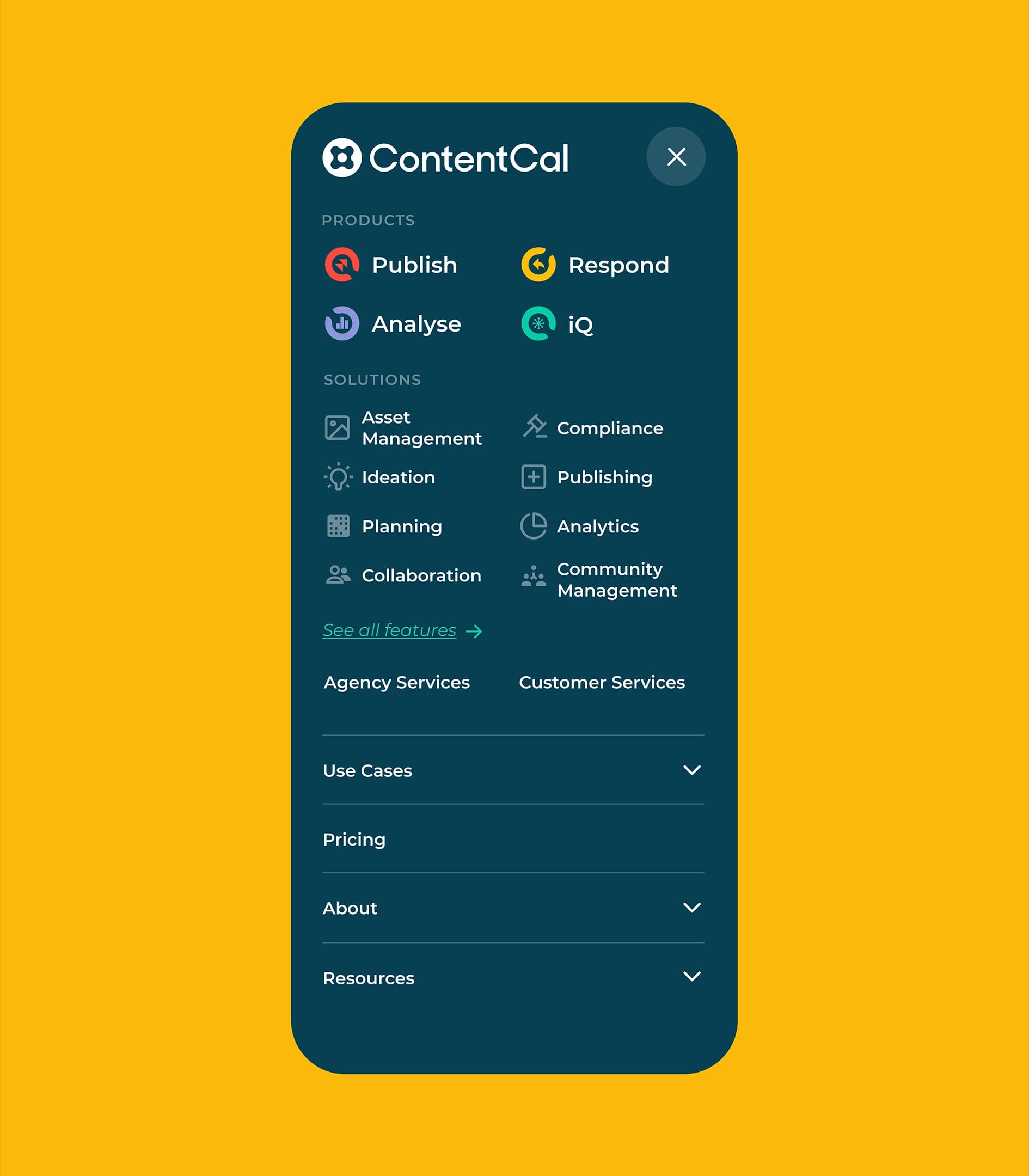
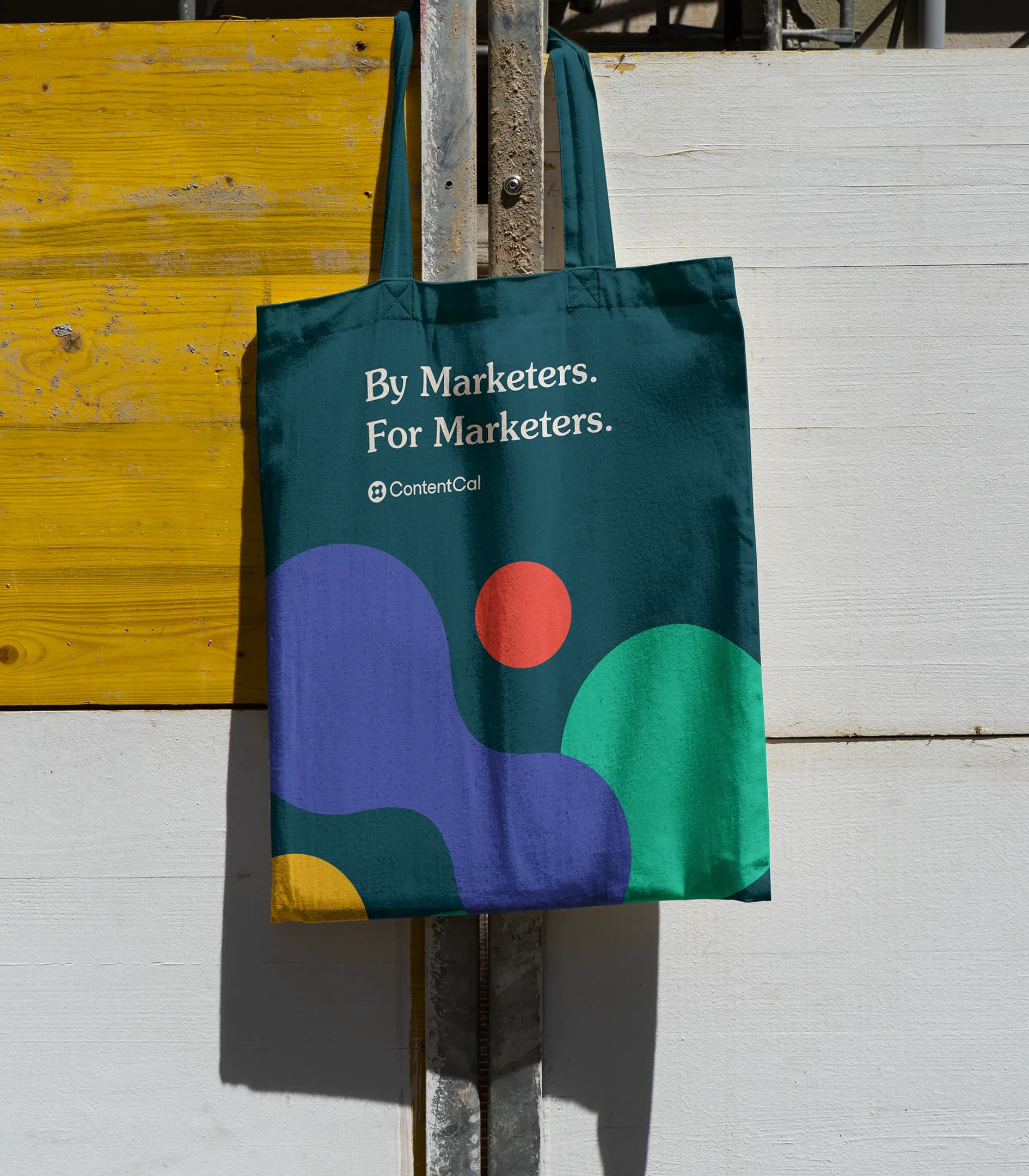
The shapes became the operating logic of the whole identity. They moved through typography, illustration, photography and motion as a single connected system. Colour, type and animation were specified to work together – so that whether the brand appeared on a billboard, a product screen or a customer email, it behaved consistently.
This was a brand designed to be deployed at speed across a fast-moving business. Not a manual. A system.

Web
The website was ContentCal’s main sales tool. Treating it as a separate workstream from the brand would have been a mistake.
We designed and built it in parallel with the identity, same team, same studio, no handover. That continuity is the point. The strategy that shaped the positioning shaped the page architecture. The morphing shapes that lived in the identity became the interaction language of the site. The verbal identity wrote itself into the copy.
Post-launch, every metric ContentCal cared about moved in the right direction. Sessions, depth, conversion. The website stopped describing the company and started selling it.
Outcome
The brand didn’t cause the acquisition. The product, the team and the timing did. But the brand made ContentCal legible to the people who needed to understand it quickly – customers, investors, and ultimately Adobe.
3 months
Rebrand and site delivered
6 months
Series A secured
9 months
Adobe acquisition
$110m
Acquisition value

Why this matters
Brand work that earns its keep doesn’t sit on top of the business. It changes how the business behaves. ContentCal is the sharpest proof we have of brand and website built as one piece of infrastructure – designed to carry a company from one stage to the next, and capable of doing so faster than anyone expected.
More
Ciphr
The UK’s leading HR SaaS, delivering a suite of software tools for HR teams – here for the people who are here for the people.
Propstore
The world’s experts in film, television and pop culture artifacts, delivering high profile international auctions and online sales.
Findrs
A tech recruitment business with a very human core – bold, conversational, and built to sound like people, not a framework.